

Introduction
Puppy fear periods are normal developmental windows-occurring at 8–11 weeks and again at 6–14 months-during which puppies become suddenly fearful of familiar or new stimuli they previously accepted without issue. These periods are not a sign that something has gone wrong with your puppy or your training. They are an evolutionarily programmed part of puppy development that nearly all dogs experience in their first year of life.
This guide covers the timing, signs, and management strategies for both fear periods, along with practical advice tailored to dog owners in the Greenville, SC area. It does not cover severe anxiety disorders or phobias that require veterinary intervention, though it will help you recognize when professional guidance is warranted. Whether you’re a new puppy owner dealing with a pup that is suddenly afraid of your neighbor’s mailbox or an experienced dog owner watching your adolescent puppy suddenly scared of the garbage truck, this guide is for you.
The direct answer: Fear periods are temporary 2–3 week developmental windows that help puppies learn to assess safety in their environment. They are a normal stage in a dog’s life and, with patience and the right approach, resolve on their own without lasting behavioral damage.
By the end of this article, you will be able to:
- Recognize the signs of fear periods in your puppy
- Understand the timing and duration of the two fear periods every puppy experiences
- Apply positive reinforcement training techniques to build confidence
- Distinguish normal fear responses from red flags requiring professional help
- Create a plan to guide your puppy through these sensitive windows successfully
Understanding Fear Periods in Puppy Development
Fear periods are evolutionarily programmed developmental stages that prepare dogs for independence and self-sufficiency. In the wild, young canines needed to learn which elements of their world were safe and which posed genuine threats. These windows of heightened sensitivity served as a survival mechanism-a smart puppy that learned caution at the right age was more likely to survive.
For today’s puppy owner, understanding these periods matters because the way you respond during them shapes your dog’s behavior and confidence for years to come. Fear periods can lead to long-term phobias if not managed properly, but they also present an opportunity to build lasting resilience when handled correctly.
The Science Behind Fear Periods
During fear periods, the dog’s brain undergoes significant neurological reorganization. Key structures-including the amygdala, hippocampus, and prefrontal cortex-mature enough to support fear and threat learning. Basal levels of stress hormones like cortisol rise, enabling the puppy to form lasting associations between stimuli and perceived danger. Research shows that pups as young as postnatal day 6 can learn fear associations when stress hormone thresholds are met.
This neurological shift explains why even well-socialized puppies experience fear periods. Early socialization during the sensitive period (roughly 3–14 weeks) helps build a foundation of confidence, but it does not prevent these developmental windows from occurring. The dog’s brain is simply wired to become more cautious during these stages, regardless of prior positive experiences. A study examining 83 puppies from 12 litters found that puppies given structured challenge exposure between 3–6 weeks were bolder around new objects and recovered faster from startling loud noises-but these gains required ongoing reinforcement to persist into adulthood.
Normal vs. Abnormal Fear Responses
Typical fear period behavior is characterized by sudden onset, specific duration, and a temporary nature. Your puppy may display fearful body language-pinned ears, whale eye, cowering, or slight trembling-when encountering new stimuli or even familiar objects. During a normal fear period, recovery happens within moments or minutes after the initial startle. The puppy continues eating, playing, and engaging with the world, though perhaps with less enthusiasm. Fear periods typically last 2–3 weeks and resolve without intervention beyond patient, supportive handling.
Red flags that indicate something beyond a normal fear period include: fear lasting beyond four weeks with no noticeable improvement, refusal of food, continuous hiding, aggressive fight responses (growling or biting) toward mild stimuli, or severe regression in basic functioning like house training or the ability to walk on leash. If your puppy shows these signs, it may be time to consult dog aggression training professionals in Greenville, SC or your veterinarian, as these behaviors may indicate an emerging anxiety disorder rather than a developmental phase.
Understanding what’s normal sets the stage for knowing exactly when these periods hit and what to watch for.
The Two Critical Fear Periods Every Puppy Experiences
Puppies experience two fear periods in their first year, each with distinct characteristics and challenges. Not all dogs express these periods with the same intensity-breed, individual temperament, and early life experiences all play a role-but most dogs go through both windows in some form.
The 8–11 Week Fear Period
The first fear period occurs between 8–11 weeks of age, coinciding with one of the most disruptive transitions in a puppy’s life: leaving littermates and moving to a new family. Puppies in the Greenville area are often arriving in their new homes during this exact window, which means they’re simultaneously processing a major environmental change while their brains are primed for fear learning.
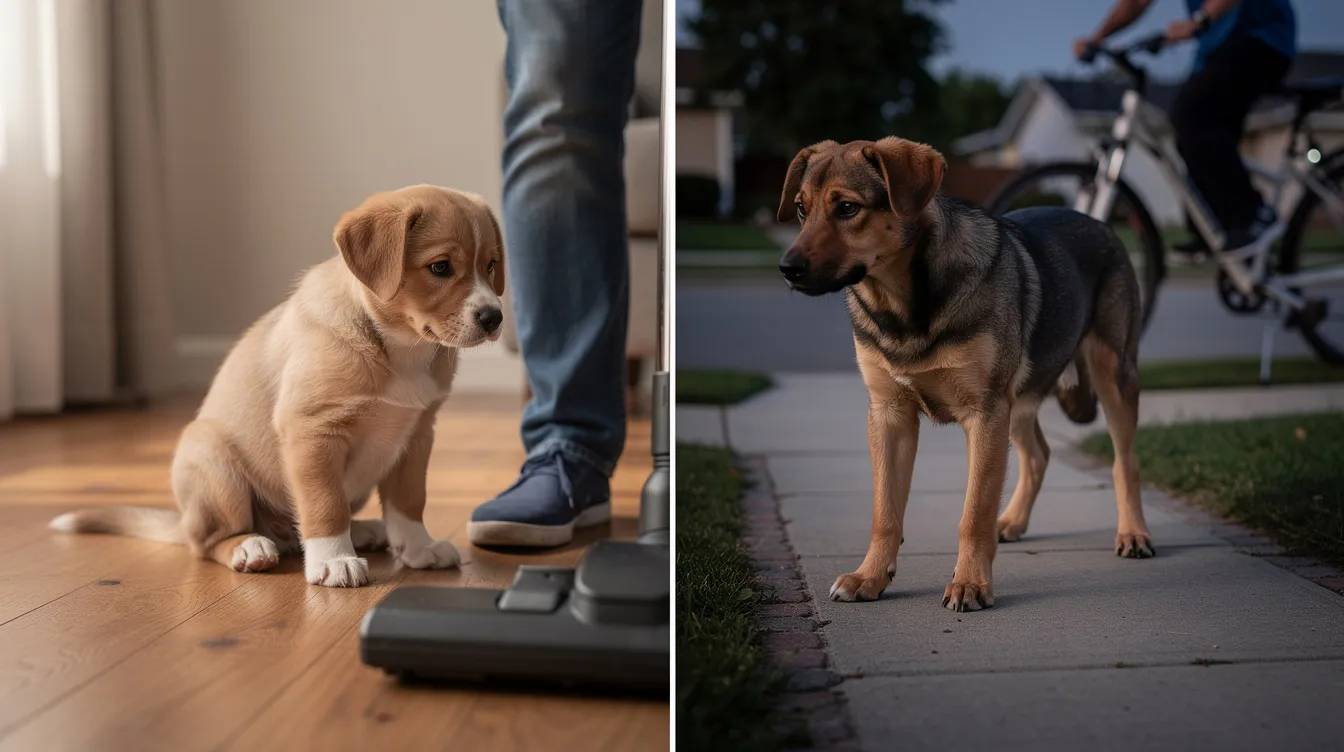
Common triggers during this period include new people, unfamiliar environments, household sounds (vacuum cleaners, washing machines, television), and new objects the puppy hasn’t encountered before. Even previously accepted stimuli may suddenly evoke fear. A puppy that happily walked past the recycling bin last week may now freeze and tremble at the sight of it.
This period is particularly challenging for any new puppy owner because the timing creates a frustrating paradox: you want to expose your puppy to the world during this critical socialization window, but your pup seems afraid of everything. The key is finding balance-gentle, short socialization experiences are recommended during fear periods, rather than overwhelming exposure.
The 6–14 Month Adolescent Fear Period
The second fear period occurs between 6–14 months and tends to catch owners off guard because their puppy had been doing so well. Small breed dogs may experience fear periods earlier within this range (6–9 months), while large breeds often hit this window later. Fear periods can vary significantly among individual puppies, so there’s no way to predict the exact week your puppy will enter this phase.
Adolescence brings hormonal changes, increased independence, and greater physical capacity. Your once-manageable pup is now larger, stronger, and capable of more dramatic fear responses. Owners commonly report regression in previously learned behaviors-a puppy that walked confidently on leash for months may suddenly refuse to pass a particular house, or a dog that loved the park may become anxious around other dogs it previously played with happily.
This period can feel more alarming than the first because the behavioral changes seem to come out of nowhere in a dog you thought had settled into its personality. Rest assured: like the first fear period, this one is temporary, typically lasting 2–3 weeks.
Recognizing Fear Period Signs in Your Puppy
Physical signs of fear in puppies include pinned ears, whale eye (showing the whites of the eyes), lowered or tucked tail, cowering, and trembling. Your pup may also yawn excessively, lip-lick, or shed more than usual-all common symptoms of stress.
Behavioral signs include avoidance of previously neutral or enjoyed stimuli, hesitation at doorways or on walks, increased clinginess, and seeking the owner for comfort. During fear periods, puppies may suddenly react fearfully to familiar objects-a chair that’s been in the living room forever or a family member wearing a hat. Signs of a fear period include avoidance of familiar people or objects that were previously no cause for concern.
The hallmarks to remember: sudden onset, temporary duration, and the puppy’s ability to recover and continue functioning. Puppies may freeze or tremble in response to unfamiliar sounds during fear periods, but they should bounce back within minutes and continue eating, drinking, and engaging with their world.
With these signs clearly identified, the next step is knowing exactly how to respond when your puppy experiences fear.
Professional Training Strategies for Managing Fear Periods
Managing fear periods effectively requires a deliberate approach grounded in science and patience. At Off Leash K9 Training Greenville, the philosophy centers on building confidence through structured, positive methods-never through force or flooding. Here’s how professional trainers approach these critical developmental windows.
Positive Exposure Techniques
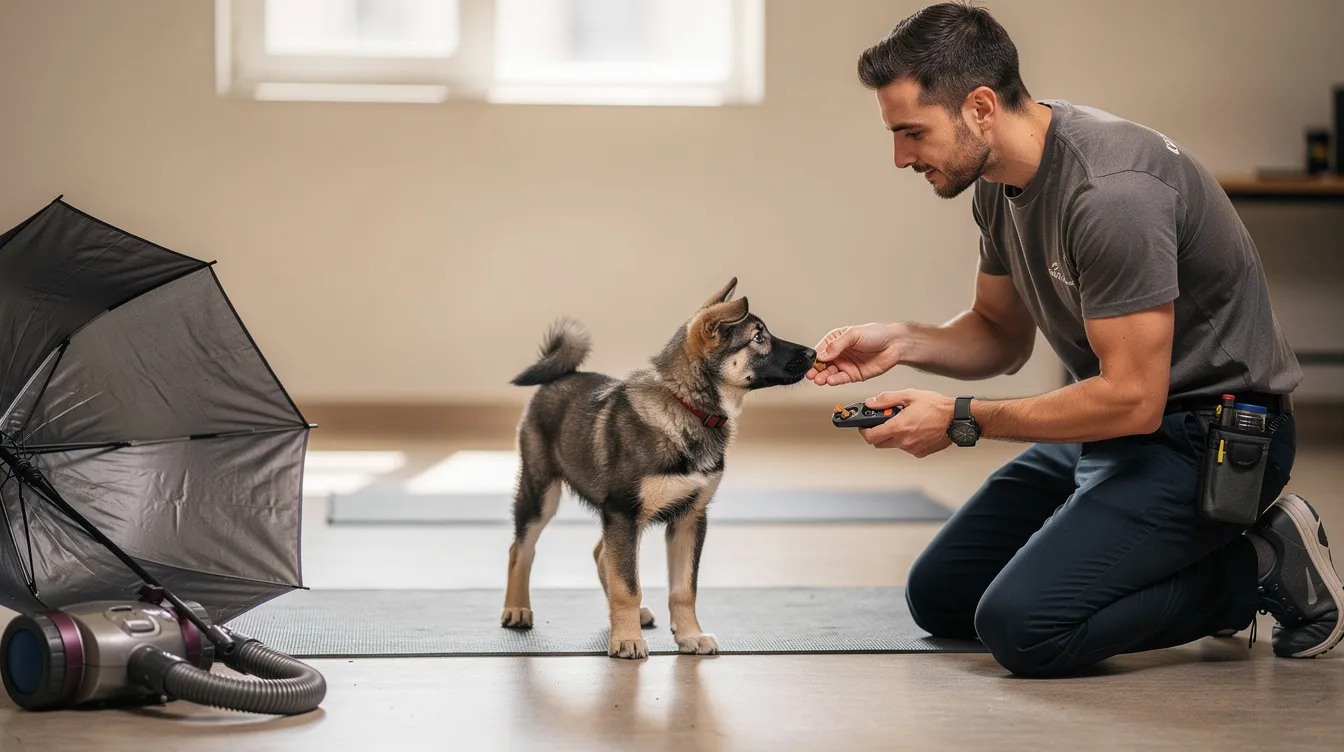
The most effective strategy for fear period management is voluntary exposure paired with positive reinforcement. Allow puppies to control their distance from scary objects, and praise puppies for exploring things they find scary-even small steps toward a feared stimulus deserve celebration. Avoid forcing interactions during a puppy’s fear period, as this can create lasting negative associations.
Here’s a step-by-step process for positive exposure:
- Allow your puppy to observe from a safe distance. Creating distance from fearful stimuli is important during fear periods. Let the puppy decide when to look and for how long.
- Reward calm behavior. High-value treats can be used to build positive associations with scary stimuli. Even looking at the feared object without panic earns a treat.
- Gradually decrease distance at the puppy’s pace. Only move closer when the puppy shows relaxed body language. If the pup becomes anxious, increase distance again.
- End every session on a positive note. Keep sessions brief and finish while the puppy is still confident and engaged, not when they’ve reached their threshold.
For noise fears specifically, research shows that training puppies with targeted exposure to sudden sounds-starting at low volume and gradually increasing-while in a relaxed state reduces startle responses. However, if this training stops before the end of the socialization period, long-term effects diminish. Consistency matters.
Obedience training can help mitigate the impact of fear periods if done correctly. Simple commands like “sit,” “touch,” and “look at me” give a frightened puppy something familiar to do, redirecting their focus and building confidence through success. Consider exploring our Puppy Preschool Package to establish these foundational skills before or during a fear period.
Training Approach Comparison
Not all approaches to fear periods are equal. Understanding the differences can prevent well-meaning dog owners from accidentally making things worse.
| Approach | Method | Risk Level | Long-Term Outcome |
|---|---|---|---|
| Forced Exposure | Physically moving puppy toward feared stimulus; overwhelming with stimuli | High | Can create phobias, generalized anxiety, fight response, or learned helplessness |
| Complete Avoidance | Removing all triggers; sheltering puppy from any potential stressor | Moderate | Prevents habituation; puppy never learns that stimuli are safe |
| Voluntary Exposure with Counterconditioning | Puppy controls distance; calm/curious behavior rewarded with treats and praise | Low | Builds lasting confidence; creates positive association with previously feared stimuli |
The research is clear: voluntary exposure with counterconditioning produces the best outcomes. Puppies should not be punished for exhibiting fear during these periods, and physical corrections are counterproductive-they add stress to an already sensitive nervous system. A randomized controlled trial with 45 puppies aged 12–15 weeks found that even pheromone-based interventions (Dog-Appeasing Pheromone) reduced fear and anxiety during puppy classes and improved socialization outcomes at 1, 3, 6, and 12 months follow-up, underscoring how much environment and emotional state matter during these windows.
Patience and calmness are essential in helping puppies through fear periods. Your energy matters-if you become anxious or frustrated, your puppy reads that tension and becomes more fearful. Stay calm, project confidence, and let the puppy experience the world at its own pace.
Common Challenges and Solutions
Greenville puppy owners face specific environmental triggers-from afternoon thunderstorms rolling through the Upstate to suburban sounds like lawn equipment and construction. Here are the most common challenges during fear periods and practical solutions for dealing with each one.
Puppy Refusing to Go Outside
A puppy that was previously enthusiastic about walks may suddenly plant its feet at the front door. This is especially common during the first fear period when everything outside feels overwhelming.
Solution: Start by opening the door and letting the puppy observe from the threshold. Scatter high-value treats just outside the door. Let the pup venture out on its own terms, even if it only takes one step the first day. Gradually extend the distance over several sessions. Routine and predictability help provide security for puppies in fear periods, so walk at the same times and along the same routes until confidence returns.
Fear of Other Dogs During Walks
During either fear period, a puppy that previously loved greeting other animals may suddenly become fearful or reactive on leash. This is common on Greenville’s popular walking trails where dog encounters are frequent.
Solution: Maintain a safe distance from other dogs-cross the street, step off the path, or create space. Use treats to build a positive association with seeing dogs at a distance rather than interacting with them up close. Over time, gradually reduce the distance as your pup’s confidence grows. If reactivity worsens, consult a professional about structured training options before the behavior becomes entrenched.
Regression in House Training
Stress from a fear period can lead to house training accidents even in puppies that were previously reliable. This isn’t defiance-it’s the connection between anxiety and diminished bladder control.
Solution: Go back to basics without frustration. Increase the frequency of outdoor bathroom breaks, supervise more closely indoors, and reward successful outdoor elimination generously. Understand that this regression is temporary and connected to the fear period itself. Avoid punishment, which adds stress and worsens both the fear period and the house training regression.
Sudden Fear of Family Members
During fear periods, puppies may suddenly react fearfully to familiar objects-including people they live with. A family member wearing sunglasses, carrying an umbrella, or even walking differently due to an injury can trigger a fear response.
Solution: Have the “scary” family member sit on the floor at the puppy’s level, avoid direct eye contact, and let the pup approach on its own terms. Tossing treats without requiring interaction helps rebuild the positive association. Don’t force the puppy to accept petting or handling until it volunteers proximity. Most puppies settle back to normal within a few days when given this space. Check out our Before & After Videos to see how fearful puppies can transform with proper handling.
These challenges can feel overwhelming in the moment, but remember: fear periods are a normal part of every dog’s life, and with the right approach, your puppy will come through the other side more confident than before.
Conclusion and Next Steps
Fear periods are a normal stage in puppy development-not a sign of poor breeding, inadequate socialization, or failed training. Puppies experience two fear periods in their first year: the first fear period at 8–11 weeks and the second fear period between 6–14 months. Both typically last 2–3 weeks and resolve with patient, supportive handling. Your job as a puppy owner is simple in concept if not always in execution: stay calm, avoid forcing interactions, reward brave behavior, and give your puppy the time and space to process new things at their own pace.
Here are your immediate action steps:
- Track your puppy’s triggers. Keep a brief daily log of what causes fear responses-you’ll start to see patterns and measure improvement.
- Stock up on high-value treats. Have something your puppy loves readily available for building positive associations during walks and new experiences.
- Maintain calm energy. Your puppy reads your emotions. Project confidence, and your puppy will borrow it.
- Schedule a consultation. If you’re in the Greenville area and want professional guidance through a fear period, reach out to Off Leash K9 Training for a puppy training consultation.
Fear periods don’t last forever-but the confidence you build during them does. With the right approach, your fearful pup will emerge as a more confident, well-adjusted dog ready to take on the world.
Professional Puppy Training Resources in Greenville, SC
Off Leash K9 Training Greenville offers specialized puppy programs designed to build confidence during critical developmental windows, including fear periods. Whether your puppy needs structured socialization, obedience foundation work, or behavior consultation for more concerning fear-related care challenges, the team provides tailored support for puppies of all breeds and ages.
Our service area covers the greater Greenville region, including Spartanburg, Greer, Mauldin, Simpsonville, Easley, and Anderson. Visit our FAQ page for answers to common training questions, or contact us directly to schedule a fear period support session and give your puppy the confident start they deserve.
